Wakeboard Length Guide: Finding the Perfect Fit
Navigating the world of wakeboarding requires selecting the right board length for optimal performance. Considering factors like rider weight‚ skill level‚ and preferred style is crucial.
This guide will help you find the perfect fit‚ ensuring enjoyable and progressive sessions on the water.
Understanding Wakeboard Length Basics
Wakeboard length is a fundamental aspect of board control and performance. Generally measured in inches‚ lengths typically range from 130cm to 160cm (approximately 51 to 63 inches). Shorter boards are more maneuverable‚ allowing for quicker turns and easier spins‚ making them ideal for park riding and technical tricks. Conversely‚ longer boards offer increased stability and speed‚ beneficial for riders focusing on big air‚ carving‚ or those needing more forgiveness.
The length directly impacts how the board interacts with the water; a longer board provides a larger surface area‚ enhancing planning speed and reducing wobble. However‚ this can also make the board feel less responsive. Conversely‚ a shorter board requires more effort to get up on and maintain speed‚ but offers greater agility. Understanding this trade-off is key to selecting the appropriate length. It’s not simply about being ‘bigger’ or ‘smaller’ but about matching the board’s characteristics to your riding style and physical attributes.
Beginners often benefit from slightly longer boards for added stability during the learning process‚ while experienced riders can fine-tune their length based on specific preferences and riding disciplines.
Factors Influencing Wakeboard Length Choice
Several key factors beyond basic size determine the ideal wakeboard length. Rider weight is paramount; heavier riders require longer boards to provide sufficient floatation and prevent sinking. Conversely‚ lighter riders can effectively utilize shorter boards without sacrificing stability. Skill level also plays a crucial role – beginners typically benefit from longer‚ more forgiving boards‚ while advanced riders often prefer shorter‚ more responsive options for complex tricks;
The type of riding you intend to do significantly impacts length selection. Cable park wakeboarding often favors shorter boards for maneuverability around obstacles‚ whereas boat wakeboarding frequently utilizes longer boards to maximize airtime off the wake. Boot preference (bindings vs. boots) also matters; boots generally allow for more control‚ potentially enabling riders to use slightly shorter boards.
Finally‚ individual riding style – aggressive versus relaxed – influences the optimal length. Aggressive riders seeking high performance may prefer shorter‚ more reactive boards‚ while those prioritizing comfort and stability might opt for longer options. Considering these interconnected factors ensures a well-matched board.
Rider Weight and Wakeboard Size
A rider’s weight is arguably the most significant factor in determining appropriate wakeboard size. Boards have weight ranges specified by manufacturers‚ serving as a crucial starting point. Generally‚ riders under 150lbs (68kg) will gravitate towards boards in the 130-140cm range‚ providing ample float and control. Those between 150-180lbs (68-82kg) typically find their sweet spot with boards measuring 140-150cm.
Heavier riders‚ exceeding 180lbs (82kg)‚ require boards 150cm and above to prevent sinking and maintain stability. It’s important to note these are guidelines; individual preference and riding style can influence the ideal length. A heavier rider who is a beginner might benefit from erring on the side of a longer board for increased forgiveness.
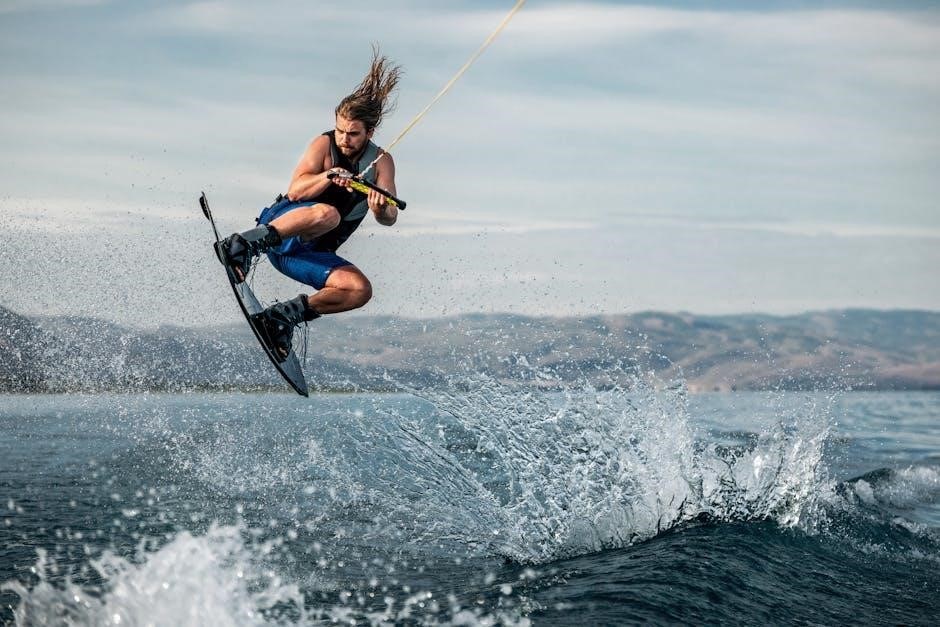
Conversely‚ a lighter‚ more experienced rider might comfortably ride a board at the lower end of their weight range‚ or even slightly shorter‚ for enhanced maneuverability. Always consult manufacturer size charts and consider your overall skill level when making a selection.
Rider Skill Level and Board Length
Wakeboard length selection is heavily influenced by a rider’s skill level‚ impacting both control and progression. Beginners generally benefit from longer boards (140cm+)‚ offering increased stability and surface area for easier starts and softer landings. This extra length provides forgiveness‚ making it simpler to learn fundamental techniques like edging and crossing the wake.
Intermediate riders‚ having mastered the basics‚ can begin experimenting with slightly shorter boards (138-145cm). This allows for greater maneuverability and responsiveness‚ facilitating spins and more advanced wake tricks. As skills develop‚ riders often transition to even shorter boards.
Advanced riders frequently prefer boards in the 135-142cm range‚ prioritizing agility and precision for complex tricks and rail riding. Shorter boards enable quicker rotations and tighter turns‚ but demand greater technique and strength. Ultimately‚ skill level dictates the balance between stability and maneuverability‚ guiding the optimal board length choice.
Wakeboard Style: What Type of Riding Do You Do?
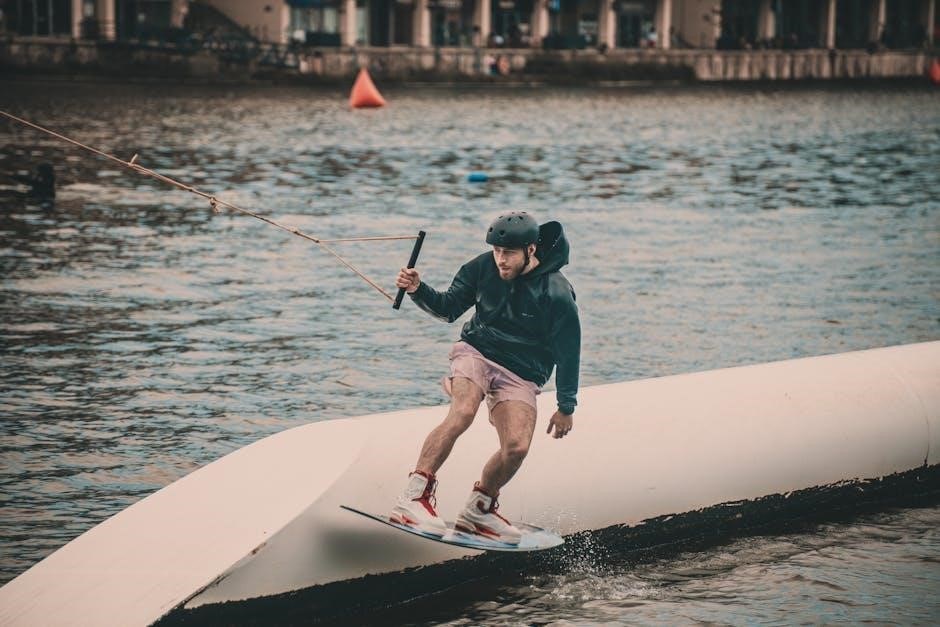
Your preferred wakeboarding style significantly influences the ideal board length. Riders focused on park riding‚ particularly cable parks‚ often favor shorter‚ more flexible boards (134-140cm) for enhanced maneuverability and responsiveness on rails and kickers. These boards facilitate quick spins and precise control‚ crucial for technical tricks.
Conversely‚ boat wakeboarding typically calls for slightly longer boards (138-145cm) to maximize wake pop and provide stability for larger air tricks. The increased length helps maintain speed and control when launching off the wake.
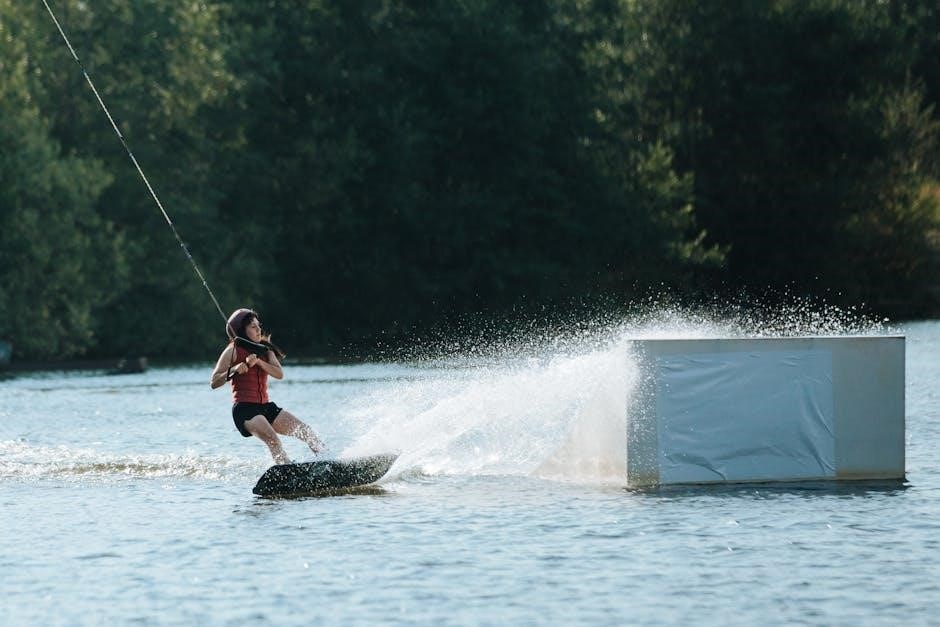
All-around riders who enjoy a mix of both park and wake features may opt for a mid-range length (136-142cm) offering a versatile balance. Consider whether you prioritize airtime‚ rail tricks‚ or a combination of both when selecting your board length. Matching the board to your style unlocks optimal performance and enjoyment.
Cable Park Wakeboarding Length Considerations
Cable parks demand specific wakeboard length considerations due to the unique riding environment. Shorter boards‚ typically ranging from 134cm to 140cm‚ are highly recommended for cable park riding. This is because cable systems provide consistent‚ predictable pull‚ reducing the need for a long board to generate speed.
The shorter length enhances maneuverability‚ allowing for quicker transitions between obstacles like rails and kickers. Flexibility is also key; a softer board will be more forgiving and easier to press and bend during tricks. Obstacle-focused riding requires precise control‚ and a shorter board delivers that.
Consider your weight within this range – lighter riders can go shorter‚ while heavier riders may prefer the upper end of the spectrum. Prioritize responsiveness and the ability to initiate spins quickly. A dedicated cable park board will significantly improve your experience.
Boat Wakeboarding Length Considerations
Boat wakeboarding necessitates a different approach to length selection compared to cable parks. The wake created by a boat requires more board to track effectively and generate sufficient pop for aerial maneuvers. Generally‚ boat riders opt for longer boards‚ typically ranging from 140cm to 156cm‚ depending on their weight and skill level.
Longer boards provide increased stability and allow riders to carve into the wake with greater control. They also offer a larger surface area for generating lift‚ crucial for achieving higher air. Stiffer boards are often preferred for boat riding‚ providing more responsive edge control and powerful pop off the wake.
Heavier riders and those seeking larger air should lean towards the longer end of the spectrum. Conversely‚ lighter riders or those prioritizing playful‚ press-focused riding can opt for a slightly shorter length. Consider the size of the wake you’re riding – larger wakes demand longer boards.
Wakeboard Width and Its Impact on Length
Wakeboard width significantly influences how a board interacts with the water and‚ consequently‚ affects the ideal length selection. Wider boards offer increased stability and floatation‚ particularly beneficial for beginners or larger riders; However‚ they can feel less responsive and require more effort to edge.
Narrower boards provide greater edge control and maneuverability‚ favored by experienced riders performing technical tricks. When choosing a length‚ consider the board’s width alongside your weight and skill. A wider board might allow you to ride a slightly shorter length while maintaining stability‚ while a narrower board may necessitate a longer length for adequate floatation.
Generally‚ boards wider than 15.75 inches are considered wide‚ offering more forgiveness. Boards narrower than 15.5 inches are typically designed for advanced riders seeking precision. Matching width to your riding style and body type is key to unlocking optimal performance and enjoyment on the water.
Wakeboard Rocker and Base Profiles
Wakeboard rocker and base profiles dramatically impact a board’s performance characteristics‚ influencing the appropriate length choice. Rocker refers to the board’s curvature along its length‚ while the base profile describes the shape of the bottom surface.
A continuous rocker provides a smooth‚ predictable ride‚ excellent for beginners and those prioritizing stability. These boards often feel longer due to their even distribution of buoyancy. Hybrid rockers combine continuous and discrete rocker sections‚ offering a balance of stability and maneuverability‚ potentially allowing for a slightly shorter board length.
Three-stage rockers feature flat sections in the middle and rocker at the tip and tail‚ delivering explosive pop for advanced tricks. These boards typically require more rider input and may benefit from a slightly longer length for control. Base profiles‚ like concave or flat bases‚ further refine handling and edge hold. Understanding these profiles helps fine-tune your length selection for optimal performance.
Beginner Wakeboard Length Recommendations
For novice wakeboarders‚ prioritizing stability and ease of control is paramount when selecting a board length. Generally‚ beginners should opt for a longer board‚ as it provides increased surface area and buoyancy‚ making it easier to stay afloat and learn the fundamentals.
A good starting point is to choose a board that reaches somewhere between your chin and nose when stood on end. This typically translates to a board length around 138cm to 146cm‚ depending on your weight. Longer boards offer more forgiveness and reduce the likelihood of catching an edge during initial learning phases.
Avoid shorter‚ more aggressive boards designed for advanced riders‚ as they require more skill and precision to control. As your skills progress and confidence grows‚ you can gradually transition to shorter boards for increased maneuverability and trick potential. Remember‚ a stable platform fosters faster learning and a more enjoyable experience.
Intermediate Wakeboard Length Recommendations
As you progress beyond the beginner stage‚ your wakeboard length should evolve to match your developing skills and riding style. Intermediate riders typically have a better understanding of edge control‚ balance‚ and basic wake maneuvers‚ allowing them to handle slightly shorter and more responsive boards.
A suitable length range for intermediate wakeboarders generally falls between 134cm and 142cm‚ again depending on individual weight and preference. This length offers a balance between stability for continued progression and maneuverability for learning more advanced tricks like surface rolls and basic spins.
Experimenting within this range is encouraged. Riders focusing on park riding might lean towards the shorter end‚ while those prioritizing wake performance may prefer a slightly longer board. Consider boards with a three-stage rocker profile for enhanced pop and responsiveness. Don’t be afraid to demo different lengths to find what feels most comfortable and allows you to push your boundaries.
Advanced Wakeboard Length Recommendations
For seasoned wakeboarders consistently landing complex tricks‚ board length becomes a highly personalized choice‚ finely tuned to maximize performance and style. Advanced riders possess exceptional board control‚ allowing them to leverage shorter‚ more aggressive boards for enhanced maneuverability and responsiveness.
Typically‚ advanced riders gravitate towards lengths between 130cm and 138cm. This shorter length facilitates quicker rotations‚ easier presses‚ and more explosive pop off the wake. However‚ some riders‚ particularly those with larger builds or those focusing on big air tricks‚ may still prefer slightly longer boards (up to 140cm) for added stability.
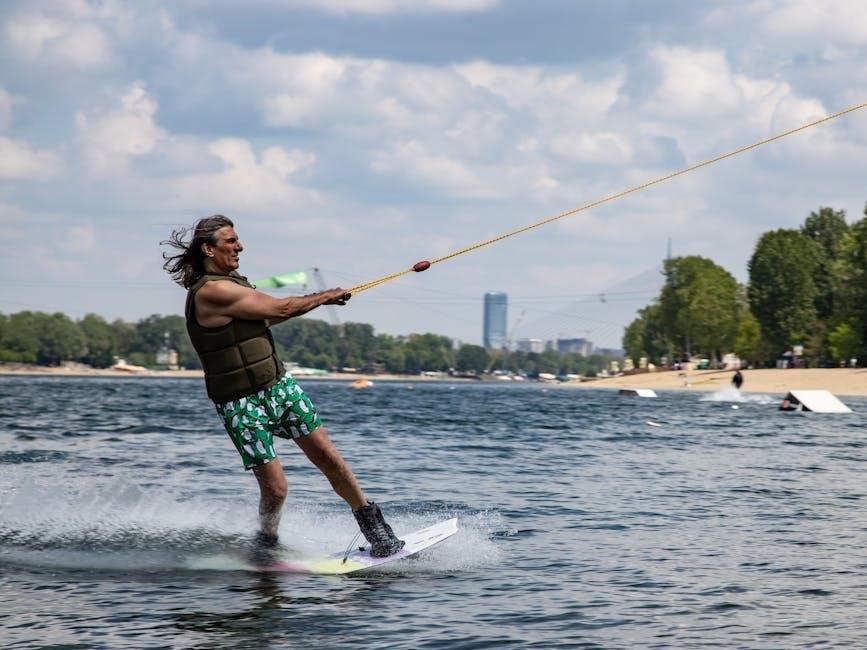
Advanced boards often feature aggressive three-stage rocker profiles and specialized flex patterns. Experimentation is key; consider factors like your preferred trick style‚ wake size‚ and personal preference. Don’t hesitate to try pro-model boards designed for specific riding disciplines. Ultimately‚ the ideal length is one that allows you to execute your most challenging tricks with precision and confidence.
Using Wakeboard Size Charts
Wakeboard manufacturers provide size charts as a starting point‚ correlating rider weight and skill level with recommended board lengths. These charts are invaluable‚ but remember they offer generalizations; individual preferences and riding styles significantly influence the optimal choice.
Most charts categorize riders by weight ranges (e.g.‚ under 130lbs‚ 130-160lbs‚ 160-190lbs‚ over 190lbs) and skill levels (beginner‚ intermediate‚ advanced). Locate your weight and skill level on the chart to identify the suggested length range. Always prioritize the weight category‚ as it directly impacts board floatation and control.
However‚ don’t treat the chart as definitive. If you fall between weight categories‚ consider your riding style. Aggressive riders often prefer slightly shorter boards‚ while those prioritizing stability may opt for longer ones. Cross-reference charts from multiple brands‚ as sizing can vary. Use the chart as a foundation‚ then refine your selection based on the other factors discussed – skill‚ style‚ and boot type.
Common Wakeboard Length Mistakes to Avoid
One frequent error is solely relying on wakeboard size charts without considering individual riding style and skill level. Charts provide a starting point‚ but aren’t universally applicable; a heavier beginner might incorrectly choose a board based on weight alone‚ overlooking the need for increased stability.
Another common mistake is selecting a board that’s too long‚ leading to sluggish response and difficulty initiating turns. Conversely‚ a board that’s too short can feel unstable‚ especially at higher speeds. Beginners often err on the side of longer boards‚ believing it offers more float‚ but this can hinder progression.
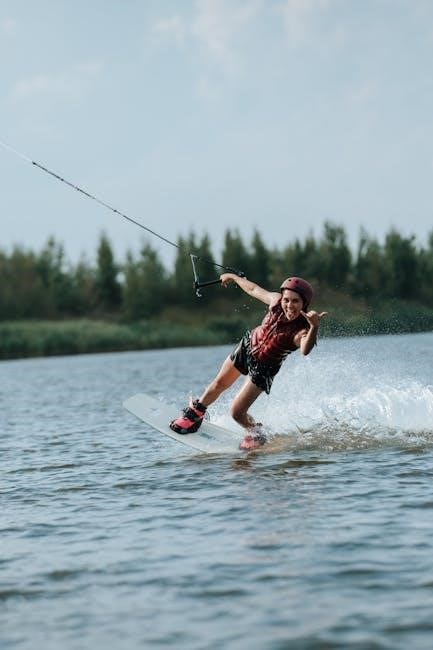
Ignoring boot type is also problematic. Riders using boots require a slightly longer board than those using traditional bindings. Failing to account for this difference impacts edge control and overall performance. Finally‚ don’t be afraid to demo boards! Trying different lengths is the best way to discover what truly feels comfortable and enhances your riding experience.
Wakeboard Fin Systems and Length
Wakeboard fin systems significantly influence how a board interacts with the water‚ and consequently‚ the appropriate length. Different fin setups cater to varying riding styles and skill levels‚ impacting stability‚ maneuverability‚ and overall control.
Boards with multiple fin slots offer versatility‚ allowing riders to customize their setup. A three-fin system generally provides more grip and control‚ ideal for beginners or those focusing on park riding. Conversely‚ a two-fin setup enhances looseness and maneuverability‚ favored by advanced riders performing rotational tricks.
Generally‚ riders opting for more fin surface area – like a three-fin configuration – might benefit from a slightly shorter board‚ as the fins contribute to increased grip and stability. Conversely‚ a minimal fin setup or finless riding often necessitates a longer board to maintain control. Experimentation is key to finding the optimal fin configuration and length combination for your individual preferences and riding style.
Adjusting for Boot Type (Bindings vs. Boots)
The type of boots you use – traditional bindings or wakeboard-specific boots – dramatically affects the ideal wakeboard length. This adjustment is crucial for optimal control and performance on the water‚ as each system alters the rider’s connection to the board.
Riders using traditional bindings‚ which offer more flex and a looser feel‚ generally require a slightly longer wakeboard. This extra length compensates for the reduced direct connection and provides increased stability. Conversely‚ wakeboard boots‚ designed for a snug‚ responsive fit‚ allow for greater control and precision.
With boots‚ riders can often comfortably ride a shorter board‚ as the direct connection enhances responsiveness and maneuverability. As a general guideline‚ subtract approximately 1-2 inches from your recommended length when using boots compared to bindings. Always prioritize a secure and comfortable fit‚ ensuring your boots are properly sized within the bindings or boots themselves.
Where to Buy and Get Expert Advice
Selecting the perfect wakeboard requires informed decisions‚ and purchasing from reputable sources is paramount. Local wakeboard shops offer a significant advantage: personalized advice from experienced riders and technicians who can assess your specific needs.
These shops often provide demo days‚ allowing you to test different boards before committing to a purchase. Online retailers‚ such as evo‚ offer a wider selection and competitive pricing‚ but lack the hands-on expertise. When buying online‚ carefully review product descriptions and size charts.
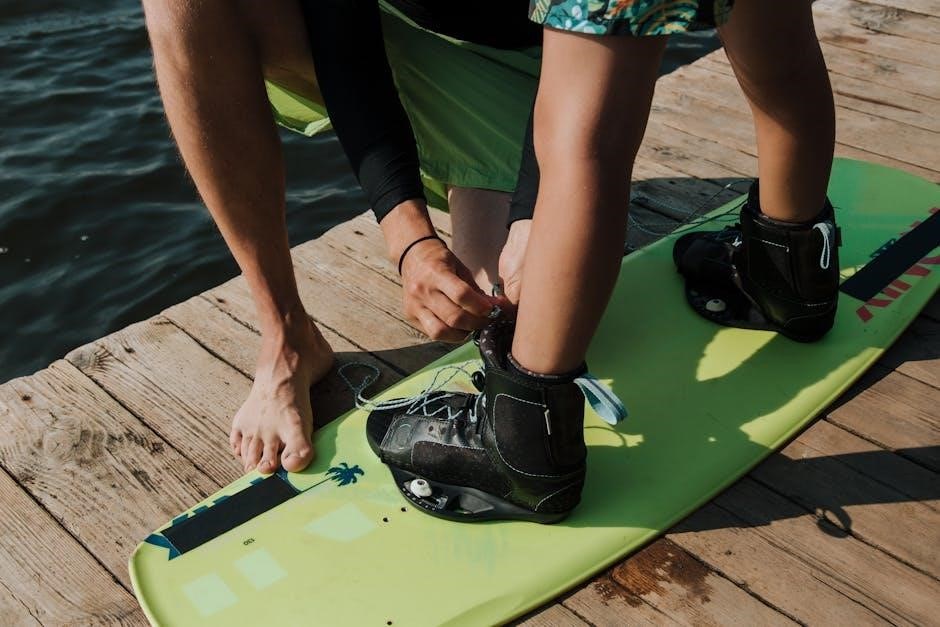
Don’t hesitate to contact online retailers’ customer service for guidance. Furthermore‚ wakeboard forums and online communities can be valuable resources for gathering opinions and recommendations from fellow riders. Consider attending wakeboard events or camps to learn from professionals and gain practical insights. Remember‚ investing in expert advice can save you time‚ money‚ and frustration‚ ultimately enhancing your wakeboarding experience.