Welcome! This comprehensive guide unlocks the full potential of your new Electrolux washing machine, offering detailed instructions for optimal performance and longevity.
Essential Information: Access a user manual, covering installation, operation, and troubleshooting, ensuring a seamless laundry experience from the very beginning.
Model Specifics: Understanding your specific model number (like EWF12832 or EWF85661) is crucial for accessing tailored support and maximizing features.
Detergent Guidance: Always utilize detergents specifically designed for washing machines, as outlined in the manual, to protect your appliance and clothes.
Understanding Your Model Number
Decoding Your Appliance: Your Electrolux washing machine’s model number is a vital key to unlocking specific information about its features, capabilities, and available support resources. Located typically on a sticker on the appliance’s frame – often inside the door or on the rear panel – this alphanumeric code provides a precise identifier;
Accessing Targeted Support: Knowing your model number (for example, EWF12832 or EWF85661) allows you to download the correct user manual directly from the Electrolux website. This ensures you have access to instructions tailored to your machine, covering everything from installation to troubleshooting.
Parts and Service: When contacting customer support or ordering replacement parts, having the model number readily available streamlines the process, guaranteeing you receive the correct components and assistance. It’s a crucial piece of information for efficient service and maintenance. Refer to the manual for detailed diagrams and explanations related to your specific model.
Safety Precautions
Prioritizing Your Well-being: Before operating your Electrolux washing machine, carefully review these essential safety precautions to prevent injury or damage. Always ensure the machine is properly installed and grounded via a suitable electrical connection.
Child Safety: Keep children away from the washing machine during operation. The door can become hot during cycles, and detergents pose a hazard if ingested. Never allow children to play with or inside the appliance.
Electrical Hazards: Do not operate the machine with a damaged power cord or plug. Avoid using extension cords. If the appliance malfunctions, disconnect it from the power supply immediately and contact qualified service personnel. Always follow the manual’s guidance regarding electrical safety.
Detergent Handling: Use only detergents specifically designed for washing machines, following the manufacturer’s instructions. Avoid contact with skin and eyes.
Installation Guide
Proper Setup is Key: This section details unpacking, positioning, connecting water and drain hoses, and establishing a secure electrical connection for your machine.
Follow Carefully: Ensure correct installation for optimal performance, preventing leaks, and maintaining your Electrolux washing machine’s warranty validity.
Unpacking and Positioning
Careful Unboxing: Upon delivery, carefully unpack your Electrolux washing machine, retaining all packaging materials until you’ve confirmed the appliance is undamaged and functioning correctly. Inspect for any visible signs of shipping damage, and immediately report any issues to the retailer;
Removing Transit Bolts: Crucially, before operation, remove all transit bolts! These secure the drum during transport and must be removed to prevent damage during the wash cycle. Refer to your specific model’s manual for their exact location and removal instructions.
Level Surface: Position the washing machine on a firm, level floor. Use a spirit level to ensure stability; adjustable feet allow for minor leveling adjustments. An uneven surface can cause excessive vibration and noise during operation, potentially shortening the machine’s lifespan.
Space Requirements: Ensure adequate space around the machine for ventilation and access for maintenance. Allow sufficient clearance for connecting water and drain hoses without kinking or straining.
Connecting Water Supply
Water Inlet Hoses: Locate the water inlet hoses, typically color-coded – blue for cold water and red for hot (if your model supports hot water). Connect these hoses to the corresponding inlets on the back of the washing machine, ensuring a snug, hand-tight fit.
Water Tap Connection: Attach the other ends of the hoses to appropriately sized water taps. Use new, high-quality rubber washers with each connection to prevent leaks. Ensure the taps are fully open after connection.
Water Pressure: Verify your water pressure is within the recommended range specified in your user manual. Insufficient water pressure can affect wash performance, while excessive pressure may damage the machine.
Leak Check: After connecting the hoses, carefully check all connections for leaks. Run a short test cycle to confirm no water escapes. Address any leaks immediately by tightening connections or replacing washers.
Connecting the Drain Hose
Hose Placement: The drain hose must be securely connected to a standpipe or the edge of a laundry tub. Ensure the hose is positioned at the correct height, as specified in your user manual – typically between 60cm and 90cm (24-36 inches) above the floor.
Secure Attachment: Firmly attach the drain hose to the designated outlet on the washing machine. Use the provided hose clamp to prevent accidental disconnections during operation. Avoid kinking or bending the hose, as this restricts water flow.
Prevent Siphoning: To prevent siphoning (water flowing back into the machine), the drain hose must not be inserted too far into the standpipe. Maintain an air gap to allow for proper drainage.
Proper Drainage: Confirm the drain hose is unobstructed and leads to a functioning drainage system. A blocked drain can cause water to overflow and damage your laundry area.
Electrical Connection
Voltage Requirements: Before connecting, verify your household voltage matches the specifications listed on the washing machine’s rating plate. Incorrect voltage can cause serious damage and void the warranty. Typically, standard household voltage is sufficient.
Dedicated Circuit: It is strongly recommended to connect the washing machine to a dedicated electrical circuit. This prevents overloading and potential electrical hazards. Avoid using extension cords or adapters.
Grounding: Ensure the washing machine is properly grounded. This is a crucial safety feature that protects against electric shock. The grounding wire should be securely connected to a grounded outlet.
Qualified Electrician: If you are unsure about any aspect of the electrical connection, consult a qualified electrician. Improper wiring can be dangerous and may violate local electrical codes.
Operating Your Washing Machine
Begin Your Wash: Familiarize yourself with the control panel, laundry loading procedures, and detergent dispenser for efficient operation of your Electrolux appliance;
Program Selection: Choose the appropriate wash program based on fabric type and soil level, utilizing the start/pause and other intuitive controls.
Control Panel Overview
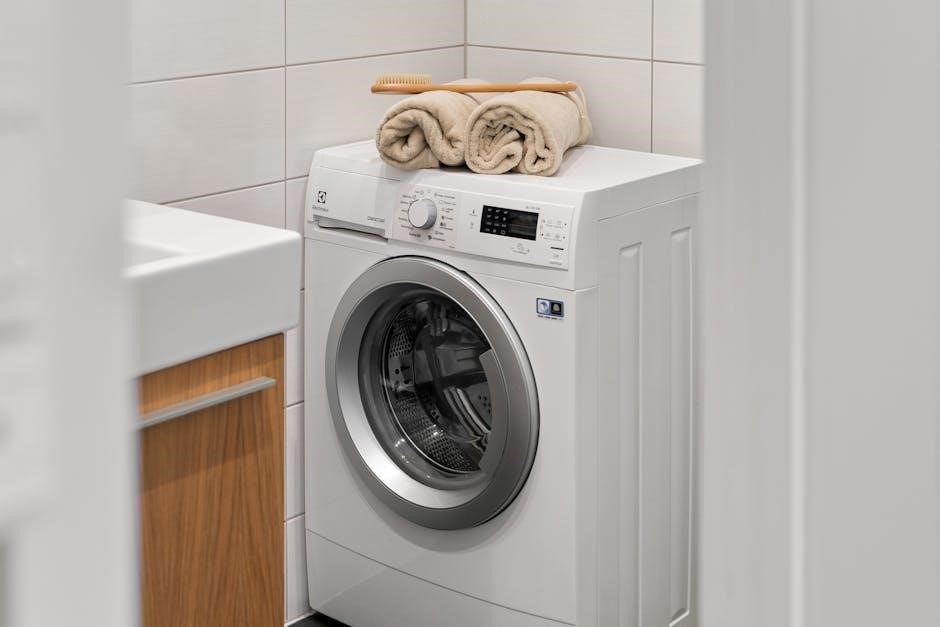
Navigating the Interface: The control panel is your central hub for operating your Electrolux washing machine. It features a clear and intuitive layout designed for ease of use, even for first-time users. Typically, you’ll find a program selector dial or buttons allowing you to choose from a variety of wash cycles – cottons, delicates, wool, quick wash, and eco programs are common options.
Display Screen: A digital display screen provides crucial information, including the selected program, remaining wash time, temperature settings, and any active error codes. Buttons adjacent to the display allow you to adjust these settings to your preferences.
Start/Pause Button: The prominent Start/Pause button initiates the wash cycle or temporarily halts it, allowing you to add or remove items if needed. Additional buttons may control functions like spin speed, temperature adjustment, and extra rinse options. Refer to your specific model’s manual for a detailed explanation of each button and its corresponding function.
Indicator Lights: Various indicator lights illuminate to signal the machine’s status – whether it’s washing, rinsing, spinning, or has completed the cycle. These visual cues provide at-a-glance information about the washing process.
Loading Laundry
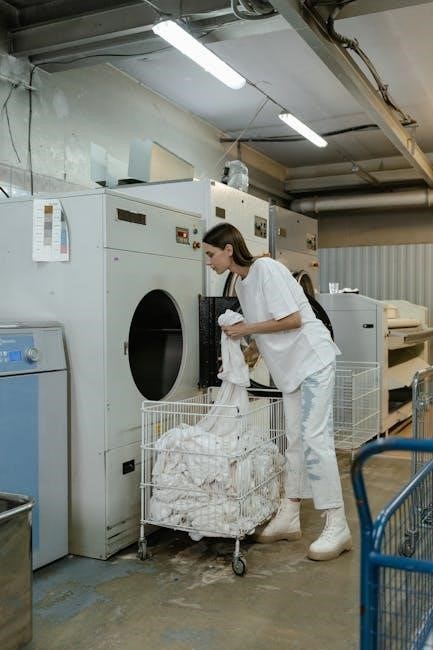
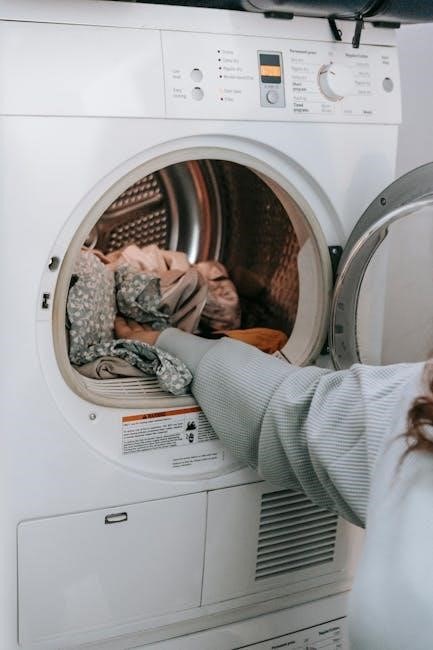
Preparing Your Load: Before loading, always empty all pockets, close zippers and hooks, and untie any drawstrings to prevent damage to both your clothes and the washing machine. Separate laundry by color, fabric type, and soil level for optimal cleaning results. Delicate items should be placed inside a mesh laundry bag for added protection.
Drum Capacity: Avoid overloading the drum, as this can hinder proper washing and rinsing. Refer to your machine’s manual for the recommended maximum load capacity, typically measured in kilograms or pounds. Leaving sufficient space allows clothes to move freely during the wash cycle.
Distributing the Load: Distribute items evenly around the drum to maintain balance and prevent excessive vibration during spinning. Avoid wrapping items around the agitator (if applicable) or bunching them together.
Bulky Items: For bulky items like blankets or comforters, ensure they are fully submerged in water and don’t obstruct the detergent dispenser or drum rotation.
Detergent Dispenser Guide
Compartment Identification: Your Electrolux washing machine’s detergent dispenser typically features separate compartments for pre-wash detergent, main wash detergent, and fabric softener. Refer to your user manual for specific compartment labeling and usage instructions.
Detergent Types: Use only detergents specifically formulated for washing machines. Powder, liquid, and pod detergents are generally compatible, but always follow the detergent manufacturer’s recommended dosage. Avoid using excessive detergent, as this can lead to residue buildup.
Dosage Guidelines: Dosage varies based on load size, water hardness, and soil level. Consult the detergent packaging and your washing machine manual for precise measurements. Overfilling can cause issues.
Fabric Softener Usage: Pour fabric softener into the designated compartment, ensuring it doesn’t exceed the maximum fill line. Avoid direct contact with clothes, as it can cause staining.
Selecting Wash Programs
Program Overview: Your Electrolux washing machine offers a variety of wash programs tailored to different fabric types and soil levels. Common programs include Cotton, Delicates/Silk, Wool, Quick Wash, and Eco. Consult your user manual for a complete program list and descriptions.
Cotton Program: Ideal for durable cotton items like towels and bedding. Typically uses higher temperatures and more vigorous agitation for thorough cleaning.
Delicates/Silk: Designed for delicate fabrics requiring gentle care. Uses lower temperatures and reduced agitation to prevent damage.
Wool Program: Specifically for wool garments, utilizing a gentle wash cycle and low temperatures to avoid shrinking or felting.
Program Selection: Rotate the program selector dial to choose the desired wash program. The selected program will be indicated on the control panel display.
Start/Pause and Other Buttons
Start/Pause Button: Press this button to initiate the wash cycle. Pressing it again during operation will pause the machine, allowing you to add or remove items if needed. The cycle will resume when pressed again.
Additional Controls: Your Electrolux washing machine may feature additional buttons for functions like temperature selection, spin speed adjustment, and pre-wash options. Refer to your user manual for specific button functions.
Delay Start: Some models offer a delay start function, enabling you to schedule the wash cycle to begin at a later time. This is useful for taking advantage of off-peak energy rates.
Child Lock: A child lock feature may be available to prevent accidental program changes or interruptions. Consult your manual for activation instructions.
Button Illumination: The control panel illuminates to indicate the selected settings and the progress of the wash cycle.
Understanding Wash Programs
Program Variety: Your Electrolux machine offers specialized programs – Cotton, Delicates, Wool, Quick Wash, and Eco – designed for optimal fabric care and efficiency.
Tailored Washing: Each program adjusts water temperature, spin speed, and wash time to suit different laundry types, ensuring excellent cleaning results.
Manual Guidance: Consult the user manual for detailed program descriptions and recommended usage to maximize your washing machine’s capabilities;
Cotton Program Details
Optimal for Everyday Fabrics: The Cotton program is your go-to setting for durable cotton items like t-shirts, bed linens, and towels, delivering a powerful and thorough clean.
Temperature Control: This program typically offers a range of temperature options, from cold washes for delicate colors to high-temperature washes (60°C or 90°C) for heavily soiled whites, ensuring effective stain removal.
Spin Speed Adjustment: You can customize the spin speed to suit your needs; higher speeds extract more water, reducing drying time, while lower speeds are gentler on fabrics.
Soil Level Selection: Many Electrolux models allow you to select the soil level (lightly soiled, normally soiled, heavily soiled) to optimize water usage and wash intensity.
Program Duration: The Cotton program duration varies depending on the selected temperature, spin speed, and soil level, typically ranging from 2 to 3 hours for a full load. Refer to your specific model’s manual for precise timings.
Pre-wash Option: For exceptionally dirty items, consider utilizing the pre-wash option to loosen stubborn stains before the main wash cycle begins, enhancing cleaning performance.
Delicates/Silk Program Details
Gentle Care for Fine Fabrics: The Delicates/Silk program is specifically engineered for fragile items like lingerie, silk blouses, and sheer curtains, minimizing the risk of damage during washing.
Low Temperature Wash: This program utilizes cool or lukewarm water (typically 30°C or below) to prevent shrinking, fading, and distortion of delicate fibers, preserving their quality.
Reduced Spin Speed: A significantly reduced spin speed is employed to avoid excessive stress on delicate fabrics, ensuring they remain intact and retain their shape after washing.
Gentle Wash Action: The wash action is exceptionally gentle, employing a slower drum rotation and softer water flow to treat delicate items with utmost care.
Recommended Detergent: Always use a mild, liquid detergent specifically formulated for delicates and silk, avoiding harsh chemicals or bleach that could cause damage.
Program Duration: The Delicates/Silk program typically has a longer wash cycle duration compared to standard programs, usually ranging from 60 to 90 minutes, to ensure thorough yet gentle cleaning.
Wool Program Details
Protecting Your Woolens: The Wool program is meticulously designed to safely and effectively clean wool garments, preventing shrinkage and maintaining their natural softness and shape.
Certified Woolmark Apparel Care: Many Electrolux washing machines feature a Woolmark Apparel Care program, certified by The Woolmark Company for optimal wool care performance.
Low Temperature Washing: This program operates at a very low temperature, typically around 30°C (86°F) or colder, to prevent the wool fibers from felting or shrinking.
Gentle Mechanical Action: The drum rotates with a very gentle, undulating motion, mimicking hand washing and minimizing stress on the delicate wool fibers.
Extended Wash Cycle: The Wool program utilizes a longer wash cycle duration, often exceeding 60 minutes, to allow for thorough cleaning without damaging the wool.
Specialized Detergent Required: Always use a detergent specifically formulated for wool or delicate fabrics, ensuring it’s pH neutral to protect the wool’s natural lanolin.
Quick Wash Program Details
Speed and Convenience: The Quick Wash program is ideal for lightly soiled laundry that requires a refresh, offering a significantly reduced wash cycle duration – typically under 60 minutes.
Perfect for Small Loads: This program is most effective with smaller loads, around 1-2 kg (2.2-4.4 lbs), ensuring optimal cleaning performance within the shortened timeframe.
Higher Spin Speed: To compensate for the reduced wash time, the Quick Wash program often utilizes a higher spin speed, extracting more water and reducing drying time.
Temperature Considerations: The Quick Wash program generally operates at a cooler temperature, usually around 30°C (86°F) or 40°C (104°F), suitable for everyday items.
Limited Detergent Usage: Use a reduced amount of detergent compared to standard wash programs, preventing residue buildup and ensuring efficient rinsing.
Not for Heavily Soiled Items: This program is not recommended for heavily soiled or stained garments, as the shorter cycle may not provide sufficient cleaning power.
Eco Program Details
Energy Efficiency: The Eco program is meticulously designed to minimize water and energy consumption, aligning with sustainable laundry practices and reducing your environmental impact.
Lower Temperature Wash: This program operates at a lower temperature, typically 40°C or even 30°C (104°F or 86°F), significantly decreasing energy usage during the heating process.
Extended Wash Cycle: To achieve optimal cleaning with reduced energy, the Eco program utilizes a longer wash cycle duration compared to standard programs.
Optimized Water Levels: The machine intelligently adjusts water levels based on the load size, preventing unnecessary water waste and maximizing efficiency.
Gentle Mechanical Action: The Eco program employs a gentler mechanical action to protect fabrics while still effectively removing dirt and stains.
Ideal for Normally Soiled Laundry: Best suited for normally soiled cottons and linens, the Eco program delivers excellent cleaning results while prioritizing resource conservation.
Maintenance and Cleaning
Regular upkeep ensures peak performance and extends the life of your Electrolux washing machine; clean the dispenser, drum, and filter routinely.
Prevent Issues: Consistent cleaning prevents buildup, odors, and potential malfunctions, guaranteeing fresh and effective laundry results every time.
Follow Instructions: Refer to your user manual for detailed guidance on cleaning procedures and recommended frequencies for optimal maintenance.
Cleaning the Detergent Dispenser
Maintaining a clean detergent dispenser is vital for optimal washing machine performance and preventing residue buildup. Over time, detergent and fabric softener can accumulate, leading to clogs and reduced effectiveness.
Removal and Disassembly: Typically, the dispenser drawer can be easily removed by pressing a release button or lever. Consult your specific model’s user manual for precise instructions, as designs may vary. Once removed, disassemble the drawer into its individual compartments – pre-wash, main wash, and fabric softener.
Cleaning Process: Rinse each compartment thoroughly under warm running water, using a soft brush or cloth to remove any lingering residue. For stubborn buildup, soak the compartments in warm water with a mild detergent for approximately 30 minutes before scrubbing. Ensure all traces of detergent are removed before reassembling.
Reinstallation and Prevention: After drying completely, reassemble the dispenser and slide it back into its designated slot. To minimize future buildup, periodically run an empty wash cycle with hot water and a washing machine cleaner.
Cleaning the Drum
Regular drum cleaning is essential to maintain hygiene and prevent unpleasant odors within your Electrolux washing machine. Residue from detergents, fabric softeners, and lint can accumulate, fostering mold and mildew growth.
Utilizing Cleaning Cycles: Many Electrolux models feature a dedicated drum cleaning cycle. Refer to your user manual to locate and activate this function. Typically, it involves a high-temperature wash with a reduced water level.
Manual Cleaning Method: If your machine lacks a specific cycle, you can manually clean the drum. Add a washing machine cleaner or a cup of white vinegar to the detergent dispenser and run a hot water cycle.
Wipe Down Interior: After the cycle completes, wipe down the interior of the drum with a clean, damp cloth to remove any remaining residue. Leave the door ajar to allow for proper ventilation and prevent moisture buildup, inhibiting future growth.
Cleaning the Filter
Regular filter cleaning is vital for optimal performance and preventing drainage issues in your Electrolux washing machine. The filter traps lint, debris, and small objects, ensuring efficient water flow. A clogged filter can lead to reduced washing effectiveness and potential damage.
Filter Location: Typically, the filter is located behind a small access panel at the front, bottom of the machine. Consult your user manual for the precise location specific to your model.
Cleaning Procedure: Before cleaning, ensure the machine is switched off and unplugged; Place a shallow container beneath the access panel to catch any spilled water; Carefully open the panel and unscrew the filter cap.
Removing Debris: Remove the filter and thoroughly clean it under running water, removing all lint, hair, and debris. Inspect the filter housing for any obstructions and clean it as well. Reinstall the filter securely and close the access panel.
Troubleshooting Common Issues
Facing problems? This section provides solutions for typical issues like the machine not starting, water failing to drain, or encountering error codes.
Error Code Assistance: Refer to your user manual for a comprehensive list of error codes and their corresponding meanings for quick diagnosis.
Quick Fixes: Discover simple troubleshooting steps to resolve common problems, potentially avoiding the need for a service call and saving you time.
Machine Not Starting
Initial Checks: If your Electrolux washing machine fails to start, begin with the basics. Verify the power cord is securely plugged into a functioning electrical outlet. Test the outlet with another appliance to confirm it’s receiving power.
Door Security: Ensure the washing machine door is firmly closed and latched. Many models feature a safety interlock that prevents operation if the door isn’t properly secured. A slightly ajar door can prevent startup.
Control Panel Lock: Check if the control panel is locked. Some Electrolux machines have a child lock feature that disables the buttons. Consult your user manual for instructions on disabling this lock.
Water Supply: Confirm that the water supply valves are fully open. Insufficient water pressure can sometimes prevent the machine from initiating a cycle.
Error Codes: Observe the control panel for any error codes displayed. These codes provide valuable clues about the underlying issue. Refer to the troubleshooting section of your manual to decipher the code and follow the recommended solution. If problems persist, contact a qualified technician;
Water Not Draining
Drain Hose Inspection: If your Electrolux washing machine isn’t draining, first inspect the drain hose. Ensure it isn’t kinked, twisted, or blocked. A clear, unobstructed path is vital for proper water removal.
Filter Check: A clogged drain filter is a common culprit; Locate the filter (usually behind a small access panel at the front of the machine) and carefully remove and clean it. Remove any lint, debris, or small objects.
Drain Pump Obstruction: If the filter is clear, the drain pump itself might be obstructed. This requires more advanced troubleshooting and may necessitate professional assistance.
Drain Height: Verify the drain hose is positioned at the correct height, as specified in your user manual. Incorrect height can create a siphon effect or prevent proper drainage.
Error Codes: Check the control panel for error codes related to draining issues. Consult your manual to understand the code and follow the suggested remedies. If the problem continues, seek professional repair.
Error Codes and Their Meanings
Decoding Alerts: Your Electrolux washing machine utilizes error codes to communicate issues. These codes appear on the control panel, providing valuable diagnostic information. Consult your specific model’s user manual for a complete list and detailed explanations.
Common Codes: While codes vary, some are frequent. “E20” or similar often indicates a water supply problem. “E30” typically signals a drainage issue, potentially a blocked filter or hose. “E40” may point to a temperature sensor fault.
Troubleshooting Steps: The manual will suggest initial troubleshooting steps for each code – like checking water connections or cleaning the filter. Attempt these before seeking service.
Resetting the Machine: Sometimes, simply powering off and unplugging the machine for a few minutes can reset the error. Reconnect and restart the cycle.
Professional Help: If an error persists after attempting the recommended solutions, contact a qualified technician. Do not attempt complex repairs yourself.