
Overview of Women’s Bible Study PDFs
Women’s Bible study PDFs offer free, printable guides, video series, and interactive templates. They combine scripture, reflection prompts, and practical life lessons, empowering readers to grow faith, find community, and apply biblical wisdom. Download bundles or join online groups. for all ages and share.
Purpose and Benefits
Women’s Bible study PDFs serve as accessible, low‑cost tools that bring scripture into everyday life. By offering downloadable, printable lesson plans, they allow participants to study whether at home or during travel. The structured format—often divided into 12‑week cycles—provides a clear roadmap for spiritual growth, helping readers move from passive reading to active application. These PDFs typically include key passages, reflective questions, and practical action steps that encourage daily devotion, prayer, and community building. For many women, the convenience of a ready‑made resource reduces the time and effort needed to prepare a study, freeing them to focus on listening to God’s voice. The benefits extend beyond individual edification: shared PDFs foster connection among friends, church members, and online communities, creating a sense of belonging and mutual encouragement. Additionally, many free bundles feature themed topics—such as faith, freedom, and grace—tailored to address common struggles and questions. By integrating scriptural insight with real‑world scenarios, these lessons help women apply biblical principles to relationships, careers, and personal challenges. The result is a holistic approach that nurtures both spiritual depth and practical wisdom, empowering women to live out their faith confidently and intentionally. Together, these resources empower women to live out faith purpose and grace
Popular Formats and Sources
Women’s Bible study PDFs come in a variety of formats that cater to different learning styles and technological preferences. The most common type is the printable PDF bundle, which includes a full 12‑week curriculum, printable worksheets, and devotional notes. These bundles are often available for free on church websites, ministry blogs, or through digital marketplaces such as bit.ly/43495wZIn. Another popular format is the interactive PDF, which embeds clickable links, audio clips, and video resources. These are especially useful for online study groups that meet via Zoom or other virtual platforms. Many ministries also offer a “study kit” that pairs a PDF guide with a companion workbook, allowing participants to record insights and track progress. For those who prefer a more visual approach, some creators provide PDF “story maps” that illustrate biblical narratives with illustrations, timelines, and key take‑away boxes. Sources for these materials range from well‑known Christian publishers like Harvest Spring Lake, which hosts a wide selection of free study templates, to independent authors who share their lessons on personal blogs or YouTube channels. The convenience of a PDF format—compatible with smartphones, tablets, and desktop computers—ensures that women can access their study anytime, anywhere. By offering both static and dynamic PDFs, the community can choose the level of engagement that best supports their spiritual journey. Moreover, many free bundles include a companion audio track that syncs with the PDF pages, allowing listeners to absorb scripture while commuting or exercising. These resources are often shared via email newsletters, cloud storage links, and social media groups, ensuring that even those with limited internet bandwidth can download a single PDF file and begin studying immediately. The diversity of formats and sources reflects the growing demand for flexible, user‑friendly study tools that empower women to deepen their faith on their own terms. Additionally, some platforms provide a mobile‑optimized PDF viewer that highlights key verses and offers note‑taking features, making it easier to review and reflect on passages later. In many cases, the PDFs are bundled with a community forum or a private Facebook group where participants can discuss insights, ask questions, and receive encouragement from peers and leaders. Together, these varied formats and abundant sources create a rich ecosystem that supports women’s growth in faith, knowledge, and community engagement.

Content Themes in Women’s Bible Study PDFs
These PDFs weave themes of faith, empowerment, and community. They highlight scripture on identity, relationships, and daily living, offering reflective questions, prayer prompts, and action steps. The blend of devotionals and study guides nurtures spiritual growth and practical application. —for growth.!!!
Spiritual Growth and Faith Development
Women’s Bible study PDFs are curated to nurture spiritual growth, offering daily devotionals, scripture study, and reflective prompts that deepen faith. Each lesson focuses on key biblical themes—trust, hope, grace, and purpose—while encouraging personal application through prayer, journaling, and group discussion. The materials often feature women’s testimonies, historical context, and practical life skills, making the study relevant to modern challenges. By integrating guided questions, meditation exercises, and action steps, participants can track progress, celebrate breakthroughs, and build a supportive community. The PDFs are downloadable, printable, and shareable, allowing flexible use in homes, churches, and online groups. They also include links to additional resources such as podcasts, videos, and study guides, ensuring a comprehensive learning experience that strengthens faith and fosters lifelong discipleship. Through consistent engagement, participants discover deeper trust in God’s promises, cultivate humility, and experience transformative growth that echoes across every aspect of their lives, encouraging them to share hope and wisdom within their families, friendships, and communities. Moreover, the PDFs incorporate interactive elements such as quizzes, reflection logs, and community polls, allowing participants to gauge understanding, celebrate milestones, and stay accountable to their spiritual commitments. By embracing these thoughtfully designed resources, women can deepen their relationship with God, inspire others, and live out the transformative power of Scripture in everyday life. Join now and start your journey. Together we grow, learn, and serve. All are welcome.!!

Practical Life Application
Women’s Bible study PDFs translate Scripture into everyday actions. Each lesson pairs verses with real‑world scenarios—balancing work and faith, navigating relationships, and practicing generosity. Study guides include step‑by‑step action plans: set a weekly prayer goal, create a gratitude list, or volunteer in the community. They encourage journaling to track progress, using prompts like “How did I apply today’s teaching?” and “What obstacles did I face?” These reflections help internalize lessons and adjust habits. Many PDFs feature printable worksheets for budgeting faithfully, meal‑planning with biblical stewardship, and setting spiritual goals. They also offer practical tips for time management, such as scheduling “quiet time” before meals or using a phone reminder to pause and pray. By integrating Scripture with tangible tasks, participants see how faith informs decisions, strengthens relationships, and fosters resilience. The resources are designed for busy women, offering concise, actionable steps that fit into a hectic calendar. Download, print, and share with friends or family to create a supportive network that encourages accountability and mutual growth. Start applying today and witness transformation in both heart and daily life.
These PDFs offer quizzes, reflection logs, and community polls, letting participants gauge progress and stay accountable. By using these resources, women deepen their relationship with God, inspire others, and live Scripture’s transformative power daily today now

Structuring a Weekly Bible Study PDF
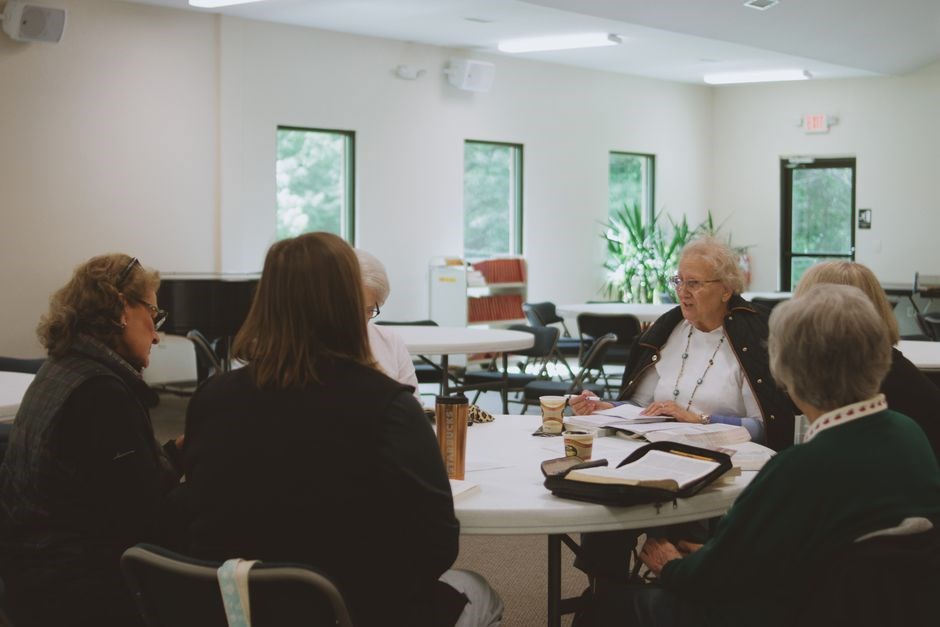
Plan sessions with a clear outline: intro, Scripture, reflection, action steps, and closing prayer. Use a consistent format—title, key verse, discussion questions, and a challenge daily. Schedule dates, roles, andprovide printable worksheets for notes and feedback.
Session Planning and Scheduling
Begin by defining the study’s duration—most PDFs span 6–12 weeks, aligning with biblical cycles. Assign a theme per week (e.g., faith, grace, service) and select core passages. Create a master calendar: mark start dates, weekly meeting times, and any special events (guest speakers, prayer nights). Use a consistent format for each session: opening prayer, scripture reading, brief exposition, discussion prompts, and a closing challenge. Incorporate flexibility: allow for spontaneous prayer or scripture exploration if group dynamics shift. For digital PDFs, embed hyperlinks to verses, audio clips, or video resources to enrich the experience. Keep a tracking sheet to note attendance, key insights, and follow‑up actions, ensuring accountability and growth across the cohort.
- Set a reminder in your calendar to keep the group on track.
- Rotate facilitators so everyone develops leadership skills.
- Encourage members to share personal testimonies to deepen connection.
- Use a shared document for notes so participants can review past insights.
Finally, evaluate the study’s impact after each cycle. Ask participants to rate their spiritual growth, share challenges, and suggest improvements. Use this feedback to refine future themes, pacing, and resource selection, ensuring the PDF remains relevant, engaging, and transformative for every woman in the group.
With these structured steps, your PDF study becomes a vibrant journey of faith for all participants!!

Discussion Questions and Reflection Prompts
To deepen engagement, each PDF session should feature a set of thoughtfully crafted questions that invite personal insight, scriptural analysis, and practical application. Begin with a warm‑up prompt that connects the week’s theme to everyday life, such as: “How does the passage you just read reflect the challenges you face in your current relationships?” Follow this with a series of layered inquiries:
- What specific promises or warnings do the text offer, and how do they align with your current spiritual journey?
- Can you identify a biblical character in the passage who models the virtues you aspire to develop? Describe the steps they took and how you might emulate them.
- In what ways does this scripture challenge your preconceived notions about faith, community, or personal responsibility?
Encourage reflective journaling by asking participants to write a short paragraph answering: “What one action will you take this week to live out the lesson?” For group sharing, include a prompt that fosters mutual support: “Share a recent experience where you felt guided by the passage, and invite feedback from the group.” Finally, close with a prayer‑based question: “What prayer can you offer to honor the insights gained today?” By weaving these questions into the PDF, readers are guided from passive reading to active transformation, ensuring each session leaves a lasting imprint on their spiritual growth. Leaders may also share a short reflection note summarizing key takeaways for the next meeting. This practice encourages accountability and helps participants apply lessons in real time!

Resources and Tools for PDF Creation

Explore templates, Canva, Adobe Spark, Google Docs for designing PDFs. Use BibleGateway for verses, Unsplash for images, PDFescape for editing. Share via Dropbox, Google Drive, or email. Ensure accessibility with alt text and readable fonts. Add icons and logos to personalize each page for a glow now!
Free PDF Templates and Bundles
Discover a variety of free PDF templates and bundles tailored for women’s Bible study lessons. These ready‑made layouts feature scripture passages, reflection prompts, discussion questions, and space for personal notes. Many are available through community sites such as Harvest Spring Lake, BibleStudy.co, and the official “Ultimate Printable Bible Study template bundle” collection. Downloadable PDFs are compatible with Adobe Reader, Preview, and mobile apps, making them easy to print or view on any device. The templates come in multiple formats—single‑page study sheets, multi‑page lesson plans, and printable study guides that can be customized with your own branding or color scheme. They also include optional audio links QR codes for video sessions, allowing you to integrate multimedia resources into your group’s weekly meetings. Whether you’re a small church group, a homeschooling family, or a solo study enthusiast, these free bundles provide a solid foundation for structured, engaging, and spiritually enriching lessons. All templates are licensed for non‑commercial use, so you can share them freely with friends, family, or your congregation without any copyright concerns. To get started, simply visit the recommended sites, choose a bundle that matches your study theme, and download the PDF files. Then print, distribute, or upload them to your learning management system. The result is a polished, professional‑looking study guide that saves time and encourages deeper biblical exploration. Let each lesson deepen faith inspire action.
Software and Platforms for Customization
Canva offers a free tier with pre‑made religious templates, drag‑and‑drop editing, and cloud collaboration, making it ideal for quick, visually appealing study guides. Adobe InDesign provides precise typography, master pages, and export options, though it requires a subscription. Microsoft Word and Google Docs are accessible alternatives; both support table formatting, image insertion, and PDF export, and their cloud syncing allows real‑time group editing. Lucidpress combines the ease of Canva with the power of InDesign, offering responsive templates that automatically adjust to different paper sizes. Scribus delivers professional page‑layout capabilities without cost, though the learning curve is steeper. Overleaf (for LaTeX users) enables mathematically rich study notes, while apps such as Notability or GoodNotes allow handwritten annotations directly on PDF pages. Adobe Acrobat Pro DC allows direct PDF editing, annotation, and form creation, useful for interactive quizzes. Articulate Storyline or Adobe Captivate can convert PDFs into e‑learning modules. Cloud storage services such as Dropbox or Google Drive ensure that all team members can access the latest version, track changes, and share feedback through comments or version history. By combining these platforms, creators can produce polished, accessible, and engaging women’s Bible study PDFs that meet both visual and functional expectations. Finally, using PDF creation tools that support accessibility features—such as tagging and alt text for images—ensures the materials are usable and meet WCAG guidelines!

Distribution and Accessibility
Share PDFs via email, cloud, or social media. Use Google Drive, Dropbox, or OneDrive for easy access. Enable accessibility by adding alt text, bookmarks, and tagging. Offer downloadable links on church sites or newsletters. Ensure mobile‑friendly layout for on‑the‑go study. Mobile‑optimized PDFs for all.
Sharing via Email, Cloud, and Social Media
Email distribution begins with a clear subject line that reflects the study theme, inviting recipients to open and engage. A concise preview text follows, summarizing key insights and encouraging clicks to download the PDF. Attachments are kept under 5 MB to ensure deliverability, and links to cloud storage—such as Google Drive, Dropbox, or OneDrive—provide an alternative for larger files or for those who prefer a web‑based view.Social media platforms amplify reach; a brief, eye‑catching thumbnail and a compelling caption can drive clicks to your PDF repository. Use hashtags like #WomenInFaith or #BibleStudy for discoverability, and tag community leaders or local churches to broaden visibility. Encourage members to share their reflections in the comments, creating a dialogue that extends beyond the PDF itself.For email blasts, segment your list by interest or age group to personalize the message. A/B test subject lines and preview snippets to optimize open rates. In the body, include a short testimonial or quote from a participant, reinforcing authenticity. End with a clear call to action: download, share, or comment. Track metrics via analytics dashboards to refine future campaigns.include a brief an unsubscribe link to comply with email regulations. Encourage feedback by asking participants to reply fill a short survey. This iterative approach not only improves engagement but also strengthens the community bond, ensuring that every PDF study becomes a shared journey of faith and grow together now